Drainage in Tingira Heights
CCTV Drain Inspections Tingira Heights
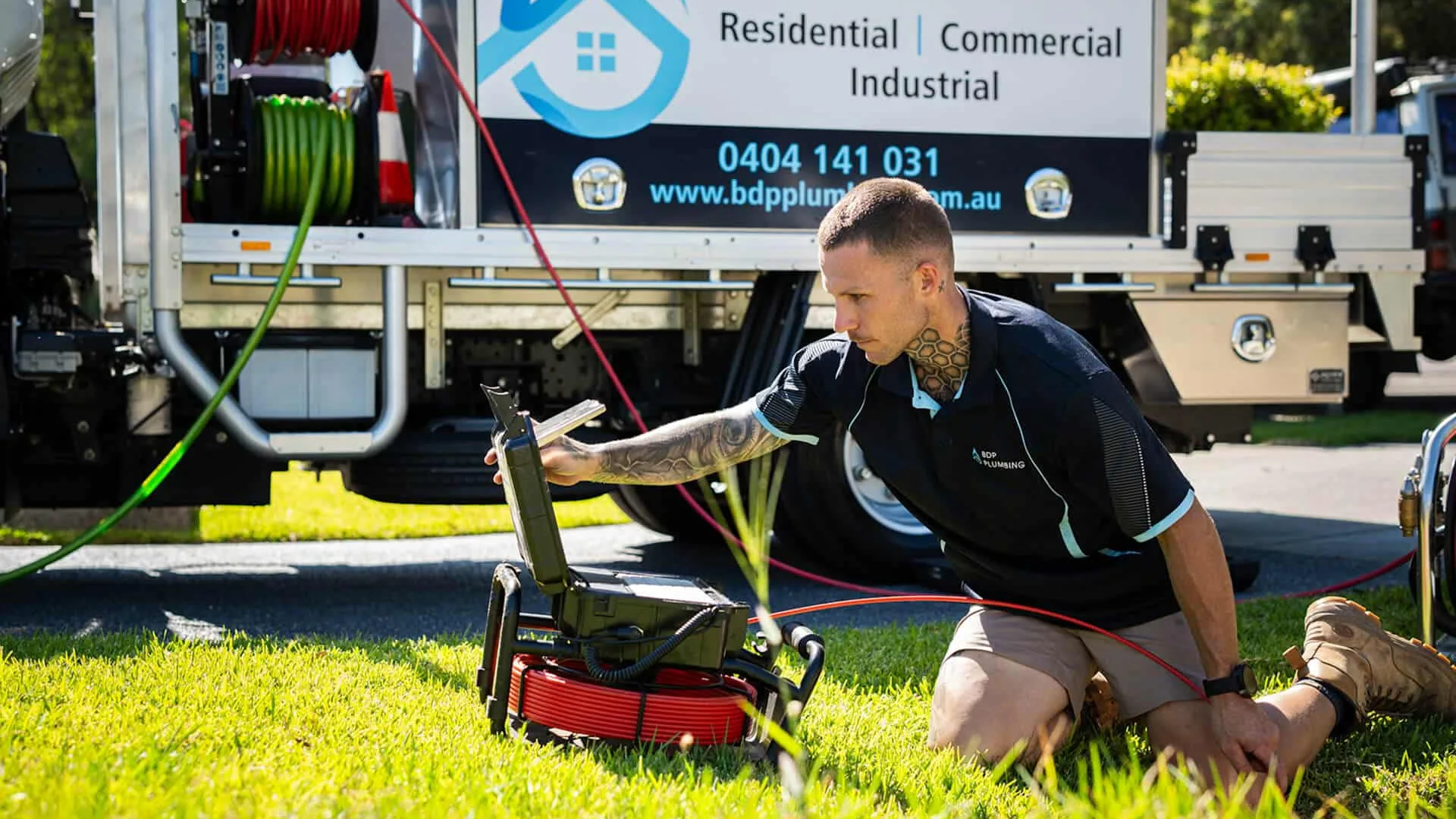
A drain that blocks every few months is telling you something a plunger cannot hear. CCTV drain inspections put a camera down the pipe and show exactly what is going on underground.
That means the fix targets the real problem instead of the symptom. We run camera inspections across Tingira Heights and the suburbs alongside it, with a $0 call out and a quote before anything starts.
Why a camera beats guesswork
Guessing costs money. A drain that backs up repeatedly might have a root mass partway along the lateral, a clay joint that has dropped, or a section that has sagged until it holds water.
Each fault wants a different fix. Roots want cutting and jetting, a dropped joint wants the section re-aligned or replaced, and a sag wants the pipe re-laid. None of it can be confirmed from a grate at ground level.
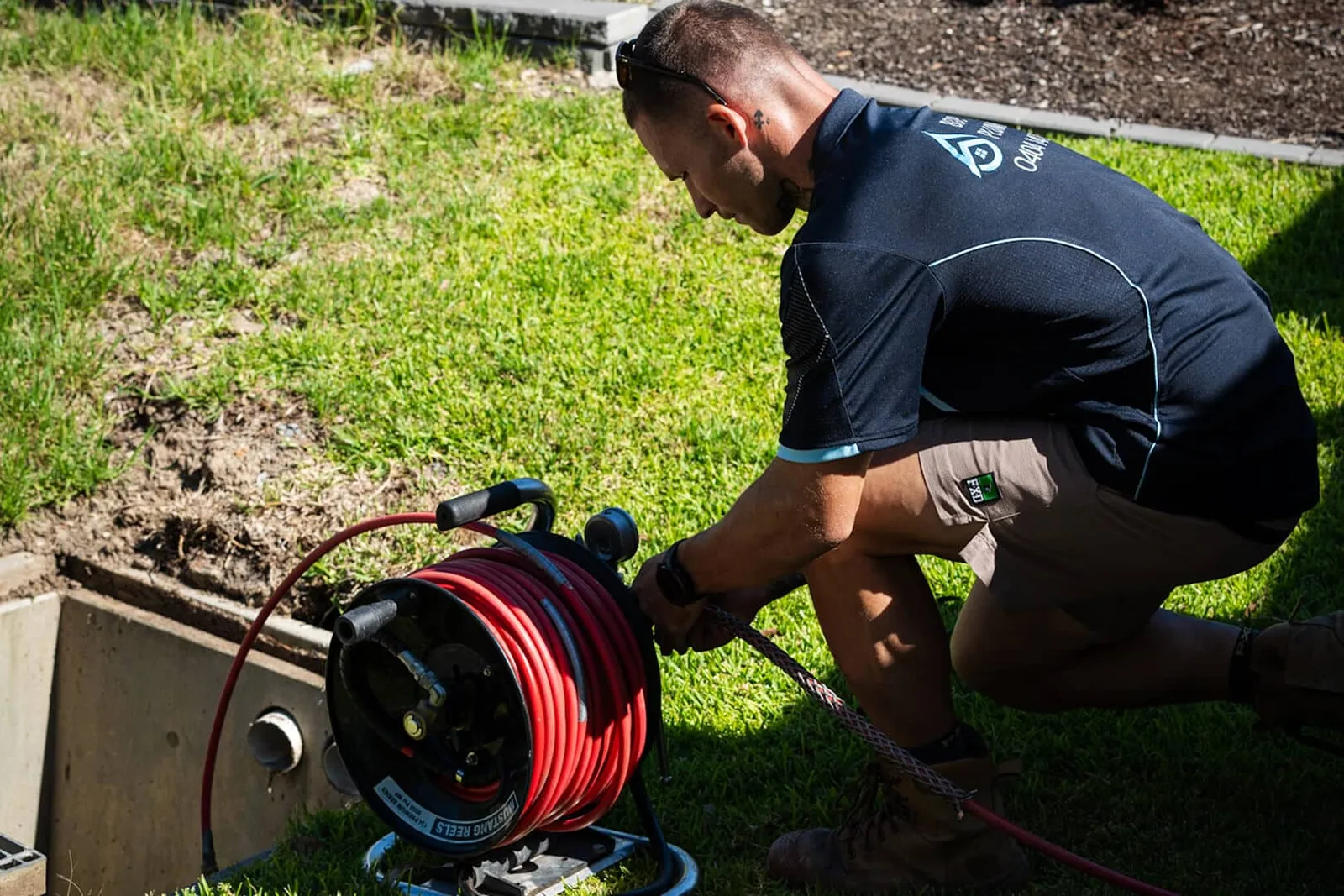
A camera run changes the conversation. Instead of clearing the blockage and hoping, we show you what the pipe looks like inside.
Any of these is a good reason to look before digging:
- Repeat blockages in the same spot, month after month
- A drain that slows down again soon after it has been cleared
- Sewer smells around the yard with no visible overflow
- A house sale or purchase where the drainage history is unknown
- Stormwater pits that flood every time a summer storm hits
Drains in this suburb have a history
The first-stage streets here were plumbed at the tail end of the clay-sewer era, and those 1960s lines are now the suburb's weak point underground. Decades of reactive clay soil movement have shifted the joints, and displaced collars are exactly where chokes form and roots get in.
The bushland makes it worse.
Then there is the slope.
Census figures put average annual rainfall at 1,122 millimetres, so plenty of water moves through this catchment. A camera run after a wet stretch shows whether a line has silted or whether the falls themselves are the issue.
What the camera actually finds
The footage turns a mystery into a diagnosis. On this run, the usual findings look like this:
Root intrusion
Displaced clay joints
Silt and scale build-up
Cracked or broken sections
Sagging runs
Each finding points to a different fix. A root mass wants cutting and jetting, and maybe a section replacement, while a sagged run wants the pipe re-laid.
Knowing which one you are dealing with is the whole point of the inspection. That is what the footage hands you.
How the inspection runs
- 1
Call and tell us
Ring (02) 4063 3438 and tell us what's going on in Tingira Heights. We'll ask a few quick questions so the right gear is on the truck the first time.
- 2
Quote before work
You get the price before anything starts. No call-out fee, no hourly surprises; you approve the quote or we shake hands and leave, no charge.
- 3
Camera down the line
We feed the camera from the closest access point and record the full run, marking where anything looks wrong. Findings come back in plain language, with the repair options and what each one involves.
- 4
Backed, no questions asked
If something isn't up to standard afterwards, we come back and make it right, no questions asked. That's the standard every Tingira Heights job is held to.
When an inspection is worth the call
Some situations practically ask for a camera. Others just benefit from one.
The repeat offender.
Before you buy or sell.
After major rain.
Before any digging.
Related drainage work
The camera is one tool in the kit, and it usually works alongside the others:
- Blocked drains, for the chokes themselves, cleared and flushed properly
- Blocked sewer, when wastewater is backing up through the fixtures
- Blocked stormwater, for pits and lines that flood in rain
- Hydro jetting, which scours the pipe walls clean after the camera has shown what is in there
If the inspection points to the water supply side instead, leak detection is the matching service for that hunt.
Where the camera run covers
The regular run covers this suburb and the ones alongside: Mount Hutton, Windale, Jewells, Belmont North and Floraville. Most of that ground shares the same era of pipework, so the camera findings out there look a lot like the ones in here.
CCTV drain inspection questions, answered plainly
How much does a CCTV drain inspection cost?
The call out costs nothing and the price goes in writing before any work starts. How far the camera travels and what the footage shows shape the figure you approve.
Will the camera find tree roots?
Yes. Roots show clearly on the footage, including where they entered and how far along the line they have spread. That matters on blocks backing onto the bushland reserve here.
Do you inspect stormwater drains as well as sewer lines?
Both. Stormwater lines on the stepped blocks here are worth checking after heavy summer rain, because silt and mulch washing down the grades settle in pits and low runs. A camera confirms it.
Can an inspection be done while the drain is still blocked?
Usually, yes. We clear enough of the choke to pass the camera through, then record what caused it. Clearing and inspecting in one visit saves a second trip and a second guess.
What do I actually get from the inspection?
A plain answer about what is inside the pipe, where it sits along the line and what fixing it involves, given before you are asked to approve any repair. No jargon.
Do you cover nearby suburbs too?
We do. Mount Hutton, Windale, Jewells, Belmont North and Floraville are all on the regular run, and most of that ground carries the same era of drainage as here. Same era, familiar findings.
Plumbers in Tingira Heights and the suburbs around it
Book the camera run
If a drain keeps dragging you back to the same problem, stop treating the symptom. Call (02) 4063 3438 and tell us what's happening. $0 call out across Tingira Heights, a clear quote before any work starts, and a job that gets made right if it isn't right the first time.